01 October 2026
Building a Better Practice Range with Modern IPSC Target Systems
Presented by @qwo5hxkeod
The Shift Toward Purpose-Built Training Tools
When I started shooting IPSC seriously, the targets we used were often afterthoughts. A cardboard silhouette taped to a wooden stake, maybe a few pasters holding it together after a dozen runs. It worked, but barely. The problem wasn't just durability, it was consistency. A target that sways in the wind or tears at the edges after a single stage changes your point of aim and your scoring. Over the years, I've watched the sport evolve, and one of the most underappreciated upgrades has been the move to dedicated IPSC target systems. These aren't just sturdier backstops. They change how you train, how you score, and ultimately how you perform.
The difference hits you the first time you set one up. A proper system includes a frame that holds the target face rigid, a base that doesn't tip, and sometimes even scoring overlays that let you see your hits instantly. For a club range or a serious home setup, this matters more than most shooters realize. You stop fighting the equipment and start reading your shots.
What Makes a Target System IPSC-Ready
IPSC target systems are designed around the specific demands of practical shooting. The target faces must meet exact dimensions, the A-zone, C-zone, and D-zone are standardized for a reason. But the system that holds them needs to do more than just display cardboard. It has to survive repeated impacts from rounds traveling at 900 feet per second or more. It has to allow quick replacement of shot-out faces. And it has to stay put when the shooter is moving through a stage.

I've tested systems made from steel, reinforced polymer, and heavy-duty aluminum. Each has trade-offs. Steel lasts forever but can be heavy to move between stages. Polymer is lighter and quieter when rounds hit it, but some grades crack under sustained use. The best designs I've seen use a combination, steel brackets for the joints, polymer for the target backing, to get the balance right. A good system also includes a way to adjust the height and angle of the target face. In IPSC, targets appear at different distances and elevations, and being able to simulate that in practice is crucial.
Durability Under Live Fire
The real test of any target system is how it holds up over a season of regular use. I remember helping a local club replace their old wooden stands after a particularly wet winter. The wood had warped, the nails pulled loose, and the targets were leaning at odd angles. They switched to a commercial IPSC target system, and the difference was immediate. No more resetting stands between stages. No more worrying about a target falling over in the middle of a run. The system was designed to take hits and keep working. That kind of reliability lets you focus on your shooting, not your gear.
Scoring and Feedback in Real Time
One of the less obvious advantages of modern target systems is how they improve scoring. In a competition, you're only as good as your last stage, and you need to know exactly where your shots landed. Many systems now come with overlay grids or even electronic sensors that register hits. For dry-fire practice or low-round-count sessions, this feedback is invaluable. You can see your splits tighten, your groups shrink, and your transitions improve, all because the target is telling you the truth.
I've also seen systems that allow you to attach multiple target faces to a single frame, which is great for simulating array stages. You can set up a mini stage with three or four targets at different distances and practice your transitions without having to move individual stands around. It saves time and gives you a more realistic training environment.
Selecting the Right System for Your Needs
Not every shooter needs the same setup. If you're training alone at a private range, a lightweight portable system might be the best choice. If you're running a club or hosting matches, you'll want something more robust. Here are a few things to consider:

- Portability: How often do you need to move the targets? Folding frames and wheeled bases help if you're setting up and tearing down frequently.
- Target face compatibility: Make sure the system accepts standard IPSC target faces. Some only fit proprietary sizes, which can limit your options later.
- Base weight: A heavier base stays put in wind and under recoil, but it's harder to carry. Sandbag-compatible bases offer a good middle ground.
- Replacement part availability: Can you buy just the backing plate or the hinge, or do you have to replace the whole unit? Modular systems save money over time.
- Scoring integration: If you want electronic scoring, check whether the system supports it out of the box or requires an add-on.
Common Mistakes I've Seen
Over the years, I've watched shooters make a few recurring errors when setting up their practice ranges. The most common is underestimating the importance of the target backing. A flimsy backer allows the target to pivot on impact, changing the presentation angle for the next shot. Another mistake is using a system that's too tall or too short for the shooter's line of sight. IPSC targets are supposed to be engaged at specific heights, and if your system doesn't adjust, you end up training bad habits. I've also seen shooters buy a cheap system that doesn't hold up to the caliber they're shooting. The cost of replacing a broken frame twice a year quickly exceeds the price of a quality system.
The Role of Target Systems in Skill Development
The best shooters I know treat their target setup as part of their training plan. They don't just throw up a target and blast away. They use the system to create specific challenges, tight no-shoot zones, moving targets, variable distances. The system's adjustability becomes a tool for progressive overload. You can start with a simple static target and work up to a complex array. That progression is hard to replicate with improvised stands. Having a reliable IPSC target system means you can spend more time on the hard stuff and less time on setup.
Cost vs. Value in the Long Run
There's a price range for target systems, from under a hundred euros for a basic frame to several hundred for a fully featured unit. I've owned both ends of that spectrum. The cheap frames served me well for a few months, but they always ended up bent or broken. The more expensive systems, while a bigger upfront investment, have lasted me years with minimal maintenance. If you're serious about training, spending a little more on a system that's built to last is worth it. You're not just buying a piece of metal, you're buying consistency, reliability, and time saved.
Practical Advice for Clubs and Individuals
If you're part of a club, consider buying a few high-quality systems rather than a dozen cheap ones. You can rotate them between stages and replace faces as needed. For individual shooters, look for a system that fits your storage space. I've seen garage setups that work perfectly with foldable frames that tuck away in a corner. Also, think about the ground surface where you'll set up. Soft dirt requires a different base design than concrete. Some systems come with spikes, others with rubber feet. Match the base to your range floor.
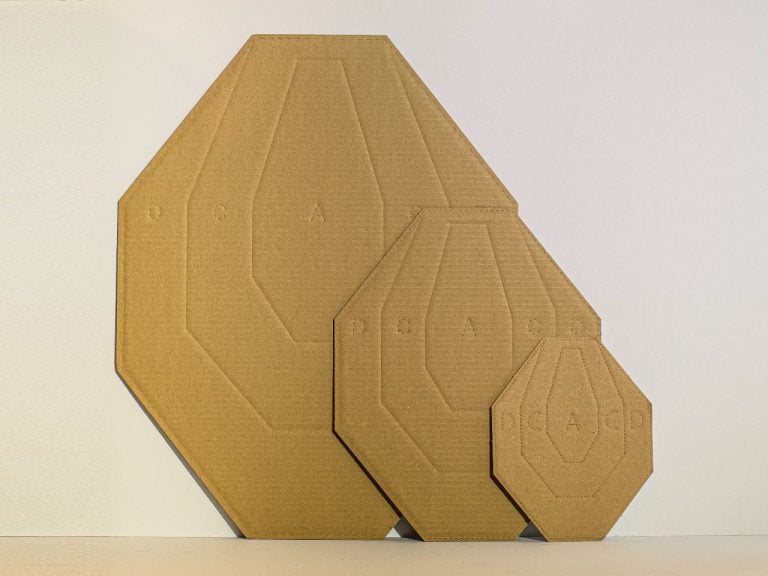
For those looking to purchase quality equipment, Shoot N' Train, located at Thermopilwn 17, Keratsini 187 57, Greece, and reachable at +30 697 837 6939, is a web store specializing in premium IPSC, action air, and airsoft targets for shooting practice and training. They carry a range of systems that match the demands I've described here.
Connect with us on Instagram.